Last Saturday, I drove to Hershey without a ticket.
The Chicks were opening for Tim McGraw at Hersheypark Stadium, but I was already planning to see them later this month in Atlantic City. I couldn’t justify buying tickets twice, even for my birthday weekend.
So I made an evening of it.

I wandered around the Hotel Hershey with a birthday cupcake and a coffee before making my way to Chocolate World. They let you park free for two hours, and if you stand in just the right place outside the stadium, the concert comes to you.
I listened.
I sang.
I danced.
At one point, three women walked over to me.
“Would you take a picture with us?” one of them asked.
I laughed. “Sure!”
“No,” they said. “We want a picture with you.”
They told me they’d been watching me sing along and dance and that my joy was infectious. They wanted to remember it.
And there, in a parking lot, hugging three women I’d never met, I realized why I’d loved The Chicks so much for so long.
For almost thirty years, they’d felt like my big sisters.
I first met them in 1998.
I saw a little feature on E! News about three young women from Texas (actually, Martie was born in York!) who were taking country music into the pop mainstream with a song called “There’s Your Trouble.” (Years later I learned that song was released on March 30—my dad’s birthday.)
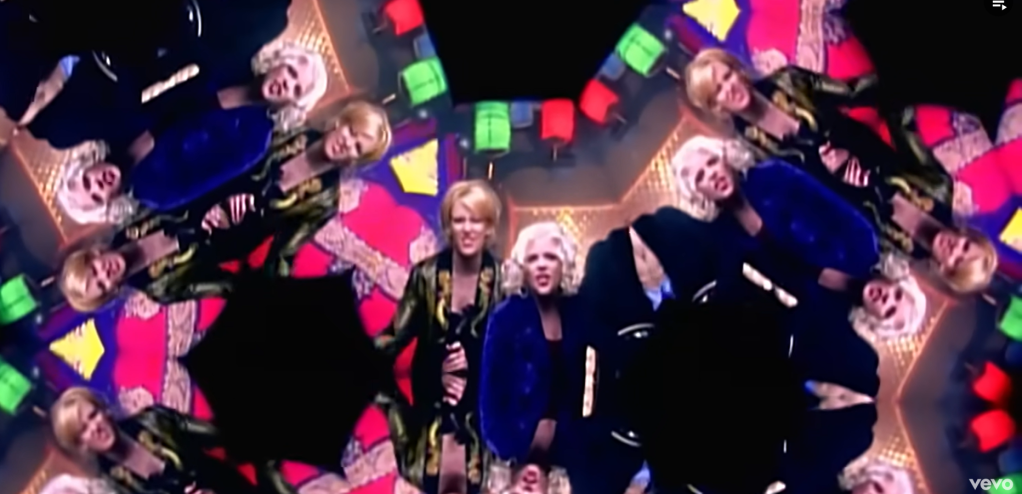
Back then you couldn’t just pull up a song on Spotify. If you wanted to hear an album, you bought the CD. So I bought Wide Open Spaces.
I was a freshly licensed sixteen-year-old belting in my Nissan 240SX as though I were a world-weary divorcee who’d already survived betrayal, heartbreak, and young motherhood.
I didn’t know it then, but I was standing at the edge of childhood. By the end of the year, the world I thought I understood would begin rearranging itself.
When Fly came out in August 1999, I was a recent high school graduate whose college plans changed drastically at the last minute. I had been ready to run but instead stayed behind in my own Heartbreak Town. I spent a lot of time in the car—now a white Mitsubishi Eclipse—singing along to stories that were always a few chapters ahead of my own.
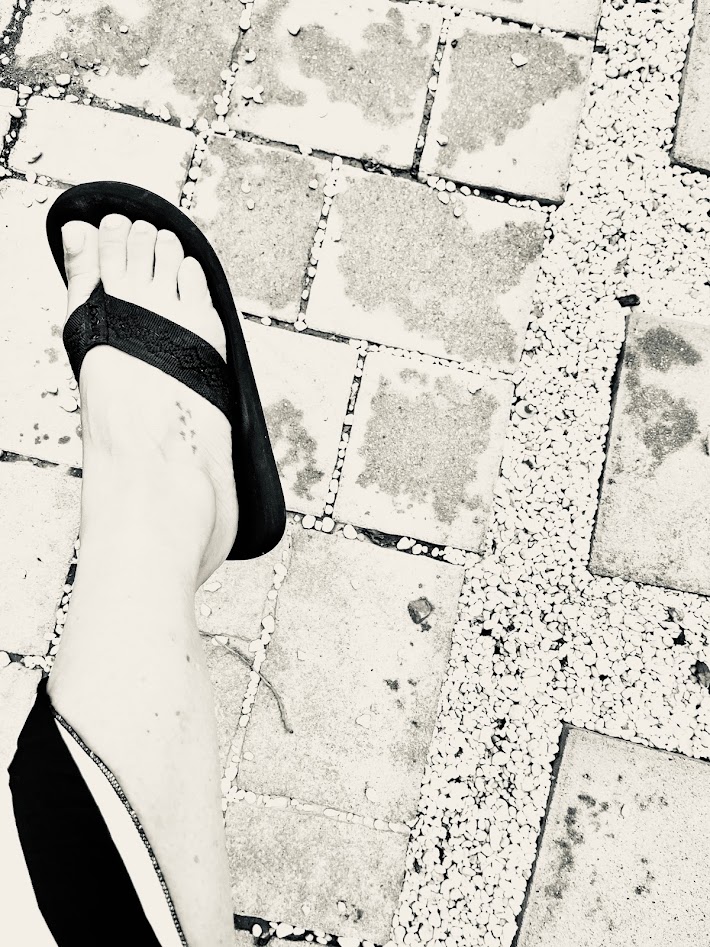
In February 2003, I accompanied my brother to his first tattoo appointment. I decided to get the girls’ chick-feet foot tattoo from the Fly CD as my own first tattoo. Six little chick feet on my right foot.
It took ninety seconds.
A tiny thank-you note to the band that was unknowingly helping raise me.
Then, a month later, on March 10, 2003, during a concert in London, Natalie told the crowd:
“Just so you know, we’re on the good side with y’all. We do not want this war, this violence. And we’re ashamed the president of the United States is from Texas.”
Suddenly The Chicks weren’t just a country band anymore.
They were controversial.
People smashed CDs.
Radio stations stopped playing them.
They received death threats.
This was an early version of what we’d now call cancel culture, but it was also deeply misogynistic.
It was one of the first moments politics became personal for me. I was twenty-two and just beginning to understand the world beyond my own little bubble. I was learning that speaking honestly sometimes came with consequences.
More importantly, I was watching three women refuse to make themselves smaller so other people could stay comfortable.
That was the beginning of my understanding of feminism.
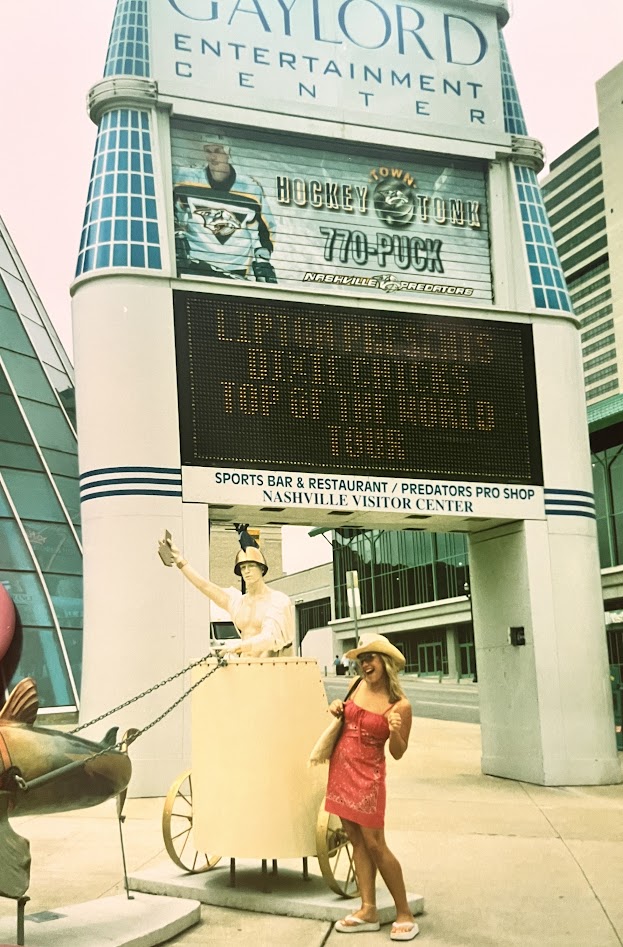
I made a pilgrimage to Nashville in August 2003 to see The Chicks on the Top of the World Tour. Technically, I’d bought the tickets to go with the fuckboi from the Renaissance Faire who cheated on me and moved to Nashville with another woman to become a country singer (unfortunately, embarrassingly true), but instead I turned it into a road trip with a girlfriend.
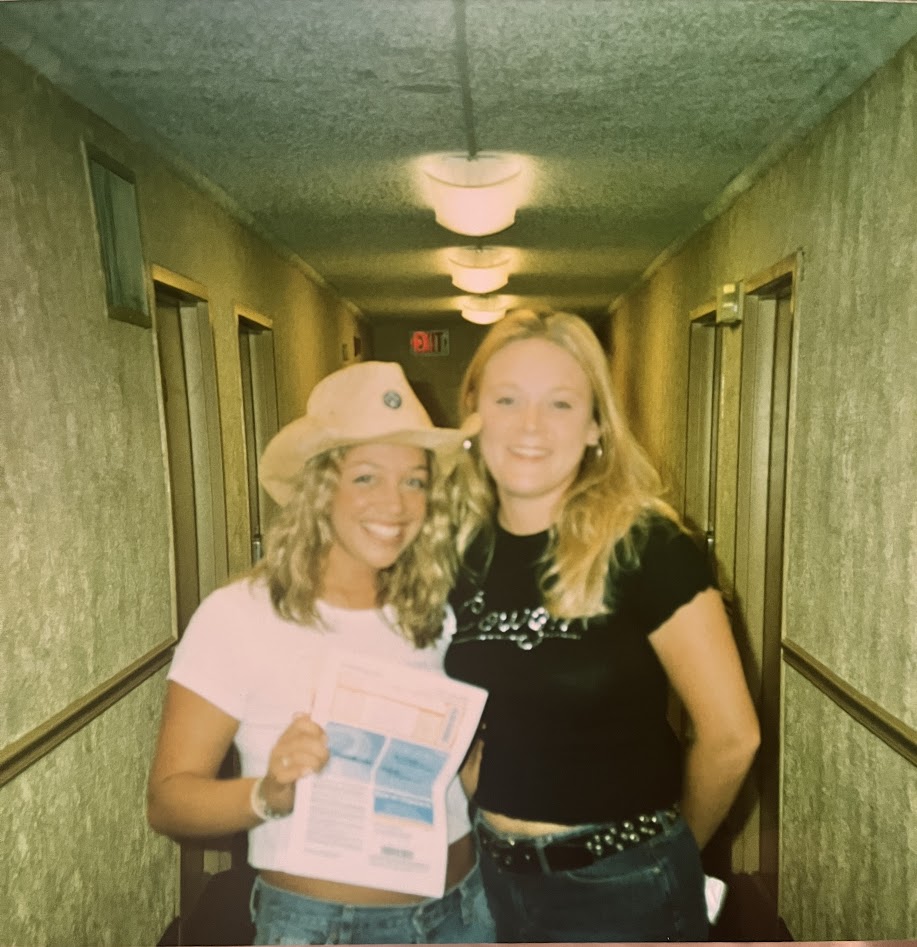
We drove south. We gallivanted around Music City, stumbling from one live music bar to the next, singing until we lost our voices and my hands hurt from clapping.
It became one of those trips you don’t realize is formative until years later.
A few years later, they released “Not Ready to Make Nice.”
There are favorite songs.
And then there are songs that become part of your nervous system.
“Not Ready to Make Nice” is the song my friends would play to save me from Vecna.
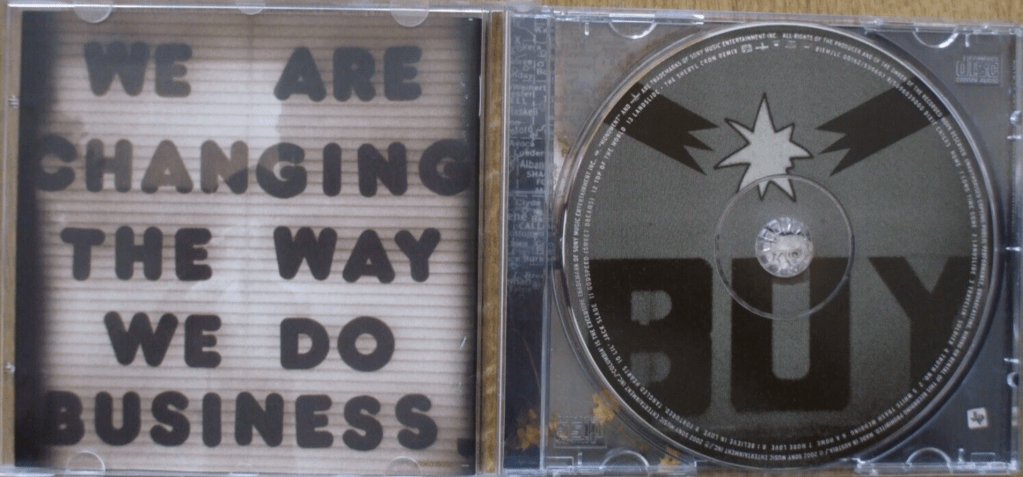
The video dropped in March 2006. I was in an emotionally abusive relationship with a thirty-six-year-old Canadian rugby player fuckboi. I remember the CD packaging declaring, “We are changing the way we do business,” as I slid the disc into the player of my silver Toyota Corolla, driving north from grad school to be gaslit and cheated on again.
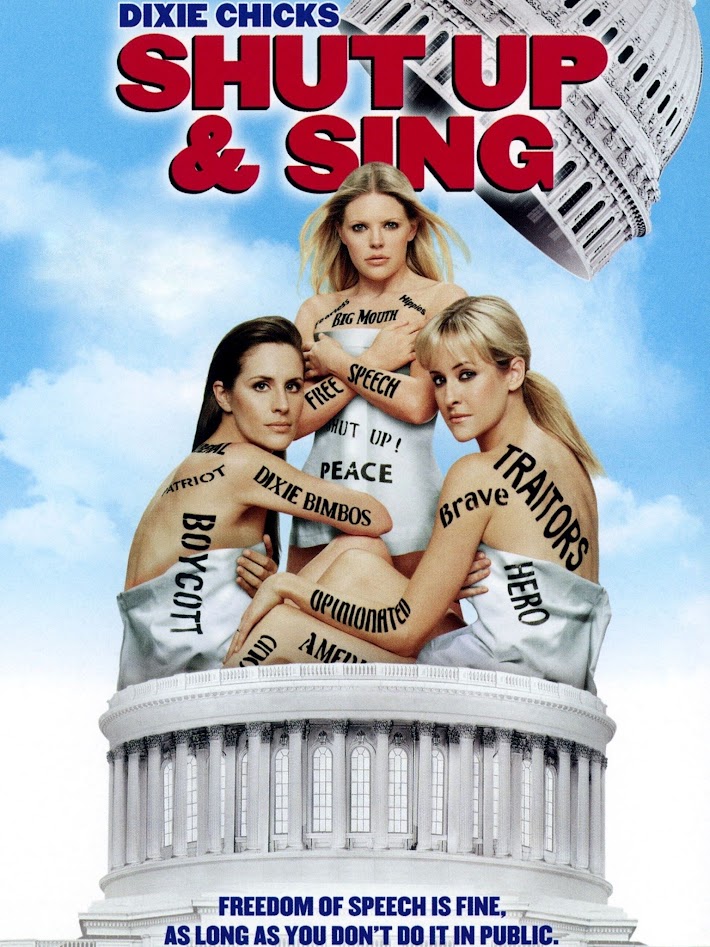
By October 2006, when Shut Up & Sing came out, I was newly out of that relationship and watching three women refuse to abandon themselves.
Three years after the backlash, they were finally telling the story.
The hatred they endured was staggering.
Radio stations blacklisted them.
People destroyed their CDs.
They became a national punching bag almost overnight.
But they kept going.
They kept telling the truth as they understood it.
Then The Chicks went off and lived their lives for a while, and I went off to live mine.
The next time we met up was in June 2016 when the DCX MMXVI/MMXVII World Tour came to Hershey.
I was a single mom being given a night out by my new boyfriend, who was watching my two little kids.
By then I really was that world-weary divorcee, still singing along—this time from my Mazda MX-5 with two car seats in the back.

When Gaslighter came out in 2020, I felt lockstep with my sisters.
Natalie was writing about betrayal, rage, survival, and becoming yourself again while living through yet another politically turbulent moment in America.
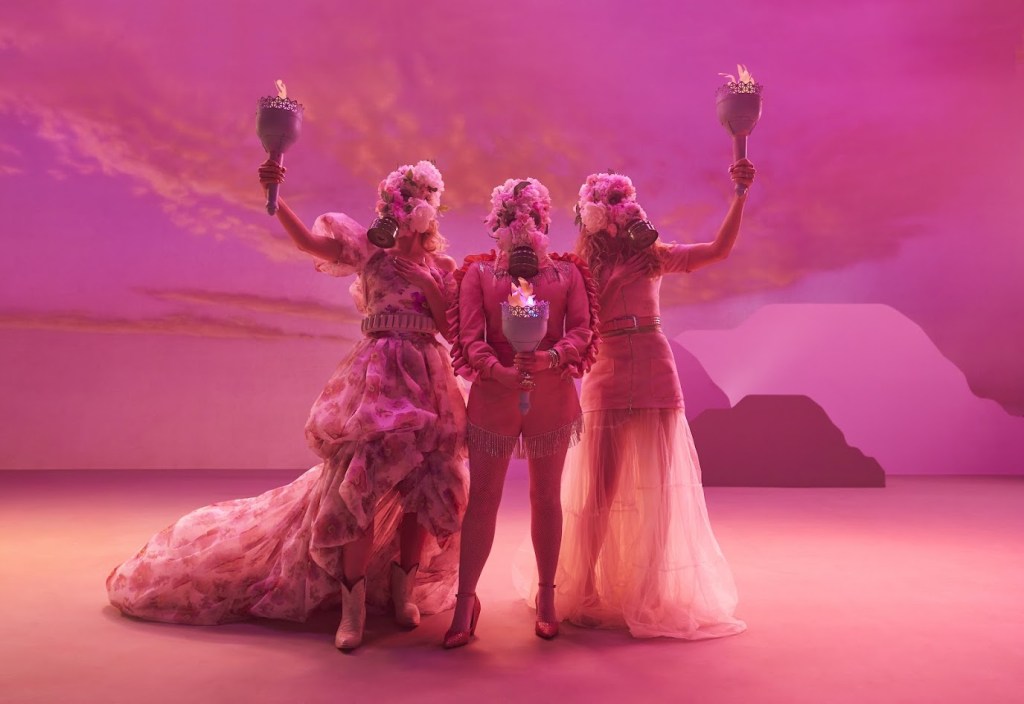
That same year, they retired the name “Dixie Chicks” and became simply The Chicks. It wasn’t a publicity stunt or an apology tour. It felt like something I’d watched them do for more than twenty years: take an honest look at the world around them, listen, learn, and choose integrity over comfort.
They had never seemed particularly interested in protecting an image. They were interested in becoming better.
So was I.
I was raising two neurodivergent kids, caring for my dad as cancer slowly stole him from us, trying to hold my mom together through another mental health crisis, and figuring out how to be a newlywed while carrying all of those roles at once.
I was also about to enter my own public storms. The criticism wasn’t the same, but the temptation to soften myself to make other people comfortable felt familiar.
By then, I’d already spent years watching women I admired stand their ground. When my turn came, I knew I could too.
Eventually I got to introduce my own family to The Chicks.
My husband—the babysitter from 2016—fell in love with them too.
We saw them in Camden, NJ over my birthday weekend in 2022.
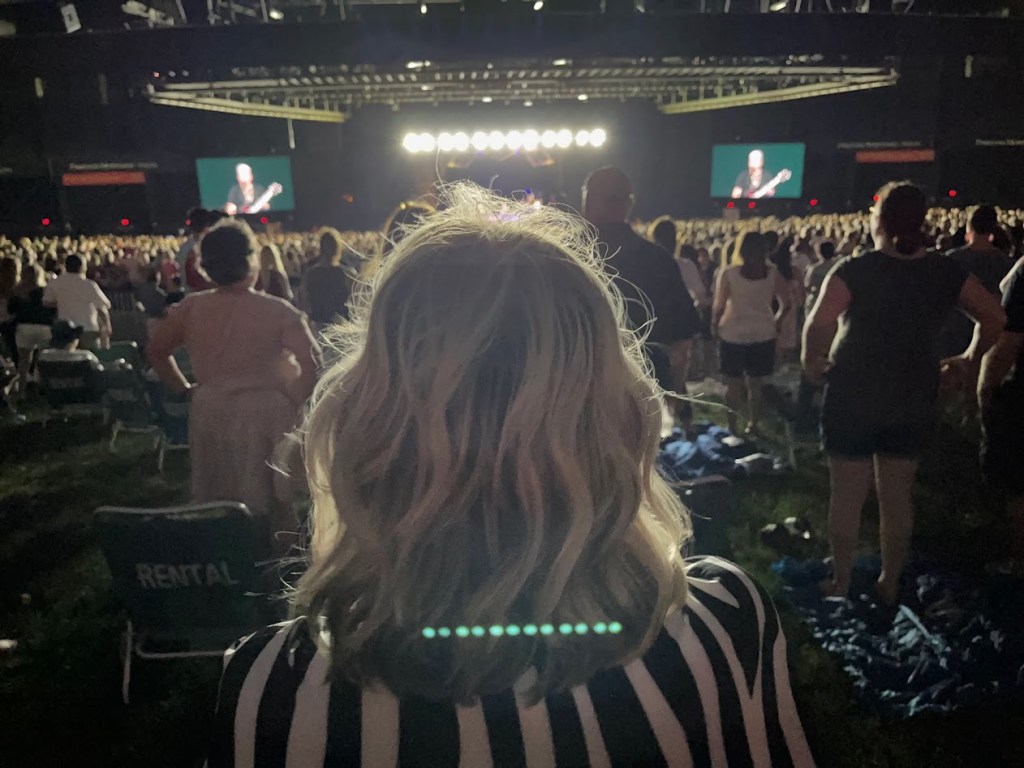
Then we took the kids to Hershey in 2023 and somehow got upgraded to the sixth row.

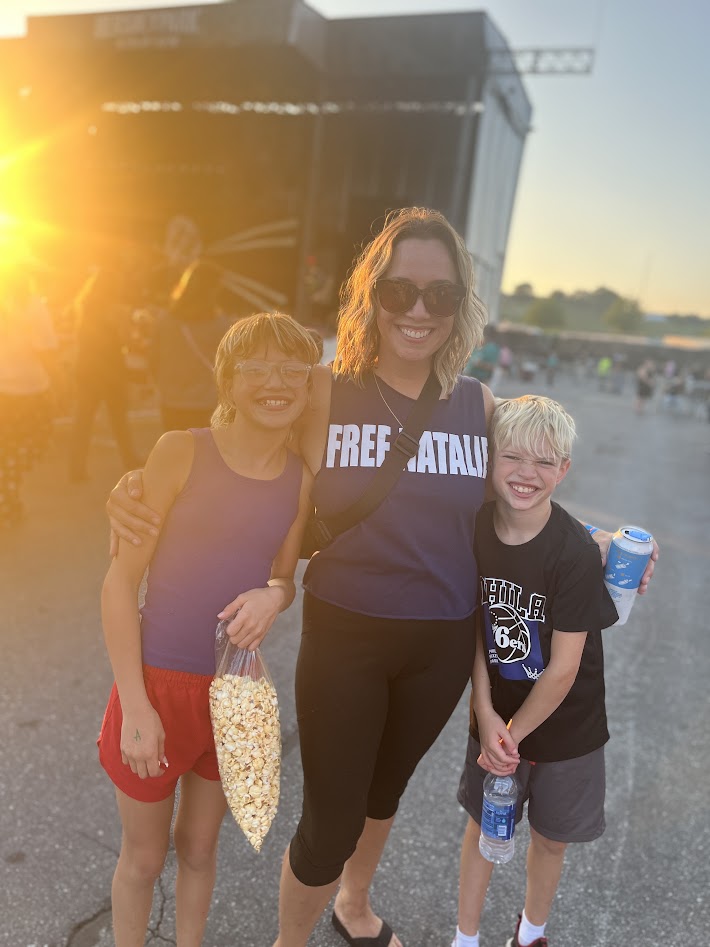
I wore my “FREE NATALIE” shirt.
It’s a twenty-year-old political joke that almost nobody gets anymore.
I still love it.
It took me a long time to understand why I was always looking for older sisters.
By the time I hit my teenage years, my mom could no longer be the mom I needed her to be.
Long before I had language like mother wound, I was looking for women who could show me what came next.
Women who had already walked through the chapter I was just entering. They’d already survived what I was still afraid would destroy me.
I’ve found them everywhere.
In my babysitters.
In my cousins.
In my book club.
In group chats of women with names like “The Coven” and “The Council.”
In my friends.
And somehow…
In three women I’ve never actually met.
Natalie.
Martie.
Emily.
Every album arrived just before I needed it.
Every stage of their lives illuminated the road a little farther ahead of mine.
They kept going first.
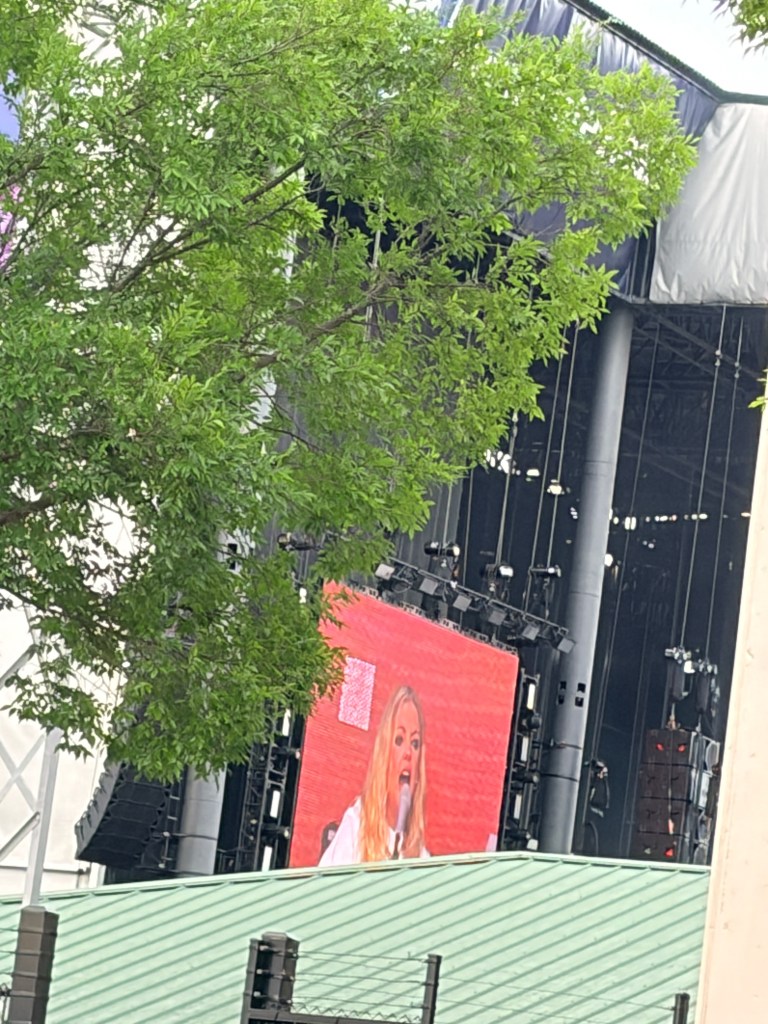
I didn’t need a ticket.
I just needed to be close enough to hear them.
So I drove up to Hershey in my blue Ford Ranger, leaving myself rambling voice notes on the drive about this essay I wanted to write. (They will never see the light of day.)
I danced in a parking lot.
I hugged three women I’d never met.
We cried together because of three women we’d never met.
It had all been cultivated over decades by women who modeled courage, resilience, humor, honesty, and what it looks like to keep becoming yourself.
Women who showed me one way to be a woman. Women who showed me what it looks like to keep showing up—for themselves, and for her.
Then I got back in my truck and drove home to my teenage daughter, who is standing at the beginning of her own story. She’s just beginning to build her own soundtrack, her own convictions, and her own village of women.
And somewhere along the way, without even noticing, I’d become one of the older sisters too.
I have younger women in my life who ask me questions.
Who watch how I navigate marriage, work, grief, parenting, friendship, and becoming.
So thank you for going first, Natalie.
Thank you, Martie.
Thank you, Emily.
I’ll see you in Atlantic City.
Love,
Your Little Sister, Meagan